
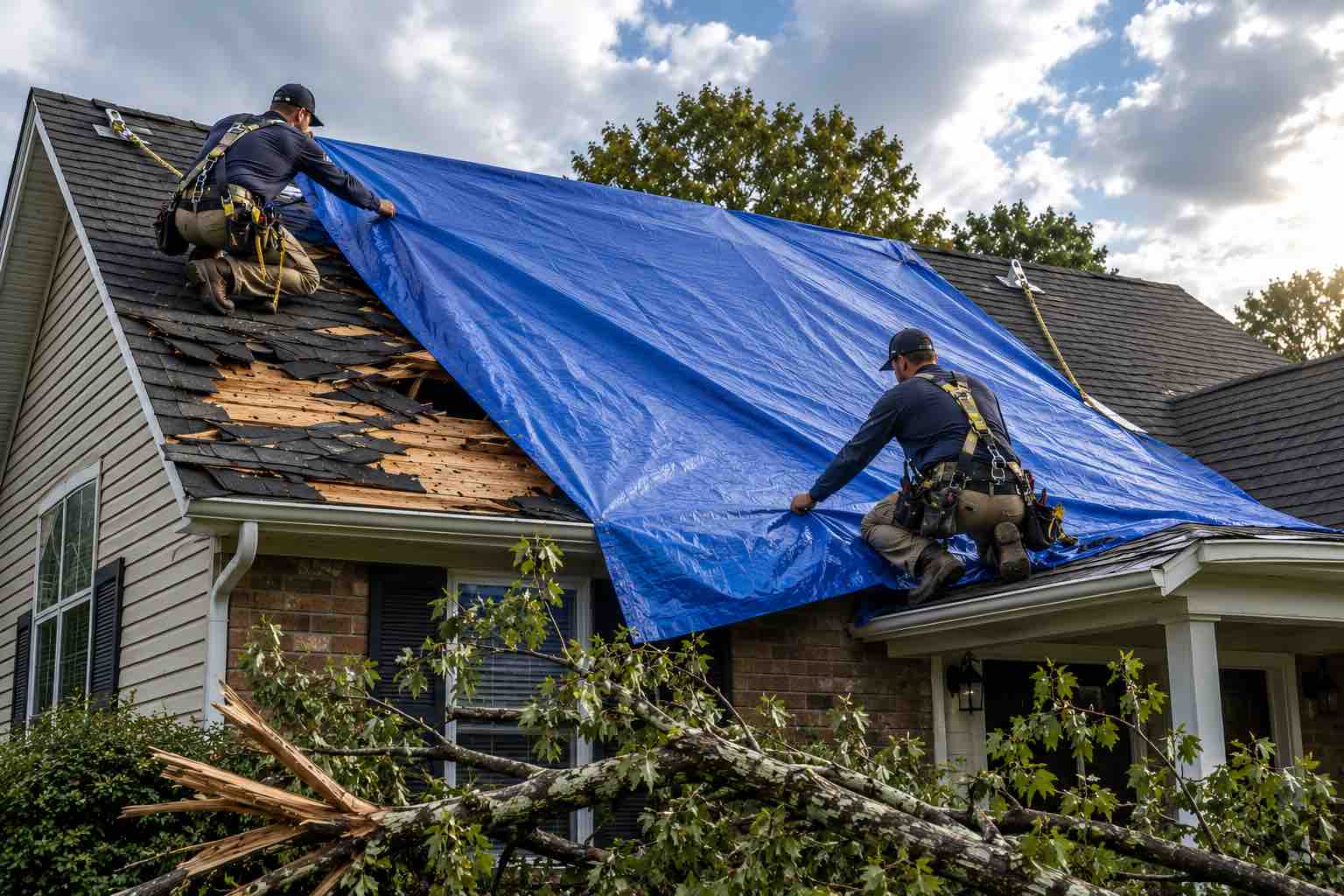
Emergency Roof Tarping: Everything You Need to Know After Storm Damage
Reading Time: 10–12 Minutes
When a severe storm damages your roof, every minute counts.
A few missing shingles, a fallen tree branch, or a puncture in your roofing system may not seem like an emergency at first—but the next rainfall can quickly turn minor damage into major structural repairs.
That's where emergency roof tarping comes in.
A professionally installed roof tarp acts as a temporary protective barrier that helps prevent additional water intrusion until permanent repairs can be completed. If the damage affects your home in Greensboro, our team can also provide professional roof repair in Greensboro after the roof has been inspected.
At 5 Star Roofing & Restoration, we've responded to countless emergency roofing situations throughout Greensboro, Winston-Salem, High Point, Kernersville, Summerfield, Oak Ridge, Lewisville, Burlington, Jamestown, Clemmons, and surrounding North Carolina communities. One of the most important services we provide after severe weather is helping homeowners protect their homes from additional damage while a long-term repair plan is developed.
This guide explains when emergency roof tarping is necessary, how it works, and why acting quickly after storm damage can save thousands of dollars in additional repairs.
Quick Answer
Emergency roof tarping is a temporary protective measure used to cover damaged areas of a roof after storms, fallen trees, high winds, or other unexpected events. A properly installed tarp helps reduce additional water intrusion while permanent roof repairs or replacement are being planned.
If your roof has recently been damaged, scheduling a professional inspection as soon as possible is the best first step.
Learn more about our Storm Damage Roof Repair Services:
https://www.5starroofingusa.com/roofing/storm-damage
What Is Emergency Roof Tarping?
Emergency roof tarping involves securely covering damaged portions of a roof with heavy-duty waterproof material designed to temporarily protect the home from rain and moisture.
The tarp helps shield exposed roofing components such as:
- Roof decking
- Underlayment
- Attic insulation
- Structural framing
- Interior ceilings
While a tarp is not a permanent repair, it plays an important role in preventing additional damage until permanent work can safely begin.
When Is Emergency Roof Tarping Needed?
Not every roofing problem requires emergency protection.
However, tarping is often recommended when the roof has sustained damage that leaves the interior of the home vulnerable to water intrusion.
Common situations include:
- Fallen trees
- Large tree branches
- Missing sections of shingles
- Wind damage exposing the roof decking
- Storm-related punctures
- Severe flashing damage
- Fire damage
- Impact from flying debris
If you're unsure whether your roof requires temporary protection, a professional inspection can help determine the safest course of action.
Why Immediate Protection Matters
Many homeowners believe they can simply wait until repairs begin.
Unfortunately, roofs rarely stay in the same condition after they've been damaged.
Every additional rainfall can increase:
- Interior water damage
- Mold growth
- Wet insulation
- Ceiling stains
- Drywall damage
- Wood rot
- Structural deterioration
A professionally installed emergency tarp helps reduce these risks while permanent repairs are scheduled.
What Causes Emergency Roof Damage?
North Carolina homeowners experience a variety of weather events that can create sudden roofing emergencies.
These include:
Strong Winds
High winds can:
- Lift shingles
- Remove ridge caps
- Tear flashing
- Expose roof decking
Even moderate wind damage can leave your roof vulnerable to water intrusion.
Learn more:
Wind Damage vs. Normal Roof Aging
https://www.5starroofingusa.com/blog/wind-damage-vs-normal-roof-aging
Fallen Trees
Large trees and heavy branches are among the most destructive causes of emergency roof damage.
Impacts may result in:
- Holes in the roof
- Structural framing damage
- Broken rafters
- Cracked decking
- Collapsed ceilings
Learn more:
Trees and Roof Damage: What Every Homeowner Should Do Immediately
https://www.5starroofingusa.com/blog/trees-and-roof-damage-what-to-do
Heavy Rain
Sometimes the storm itself doesn't create the leak.
Instead, heavy rain exposes roofing problems that were already developing.
Lifted shingles, damaged flashing, and deteriorated sealants may suddenly allow water to enter the home.
Flying Debris
During severe thunderstorms, airborne debris can strike roofing materials with surprising force.
Common debris includes:
- Tree branches
- Outdoor furniture
- Fence panels
- Construction materials
Even relatively small impacts can puncture roofing materials or loosen protective components.
What Happens During Emergency Roof Tarping?
Professional roof tarping follows a careful process designed to protect both the home and the people performing the work.
The process typically includes:
Step 1: Safety Assessment
Before climbing onto the roof, roofing professionals evaluate:
- Structural stability
- Weather conditions
- Electrical hazards
- Tree hazards
- Safe roof access
If conditions are unsafe, temporary solutions may be recommended until the roof can be safely accessed.
Step 2: Roof Inspection
Before installing the tarp, the damaged areas are identified.
Roofing professionals inspect:
- Missing shingles
- Roof decking
- Flashing
- Ridge caps
- Gutters
- Roof penetrations
- Storm-related punctures
This inspection helps determine the size and placement of the temporary tarp.
Learn more about our Professional Roof Inspection Services:
https://www.5starroofingusa.com/roofing/inspection
Step 3: Installing the Tarp
Heavy-duty waterproof tarps are carefully positioned to completely cover the damaged section of the roof.
Whenever possible, the tarp extends beyond the damaged area to help divert water away from vulnerable roofing components.
Proper installation is critical.
A poorly installed tarp may shift during future storms or allow water to enter beneath the covering.
That's why emergency roof tarping should always be performed by trained professionals using appropriate safety equipment.
How Long Can a Roof Tarp Stay on a Roof?
An emergency roof tarp is designed to provide temporary protection, not a permanent roofing solution.
The exact length of time a tarp remains effective depends on several factors, including:
- Weather conditions
- Wind exposure
- Installation quality
- Size of the damaged area
- Condition of the existing roof
A professionally installed tarp can often protect a home while permanent repairs are scheduled, but it should never be viewed as a long-term substitute for repairing or replacing the damaged roofing system.
The sooner permanent repairs begin, the lower the risk of additional damage.
What Does a Roof Tarp Protect?
Many homeowners think a tarp simply keeps rain out.
In reality, it helps protect nearly every part of your home beneath the damaged section of the roof.
Emergency roof tarping helps reduce the risk of damage to:
- Roof decking
- Underlayment
- Rafters
- Trusses
- Attic insulation
- Drywall
- Ceilings
- Flooring
- Furniture
- Electrical systems
- Personal belongings
Even a relatively small opening in the roof can allow significant amounts of water into your home during repeated rainstorms.
Can You Install a Roof Tarp Yourself?
While temporary roof tarping kits are available, climbing onto a storm-damaged roof is extremely dangerous.
After severe weather, roofing surfaces may have:
- Loose shingles
- Wet decking
- Hidden holes
- Soft spots
- Structural instability
- Debris
- Sharp metal flashing
- Broken tree limbs
Falls remain one of the leading causes of roofing injuries.
Professional roofing contractors have the safety equipment, training, and experience needed to install emergency tarps safely and securely.
For most homeowners, attempting to install a tarp themselves creates unnecessary risk.
Signs Your Roof May Need Emergency Tarping
Not every storm requires emergency protection, but these warning signs often indicate that immediate action is needed:
- Active roof leaks
- Missing sections of shingles
- Exposed roof decking
- Fallen trees or large branches
- Visible holes in the roof
- Ceiling water stains after the storm
- Wet attic insulation
- Daylight visible through the attic ceiling
- Bent flashing around chimneys or skylights
- Water dripping into the home
If you notice any of these issues after severe weather, schedule a professional roof inspection as soon as possible.
Learn more:
10 Signs Your Roof Has Storm Damage
https://www.5starroofingusa.com/blog/10-signs-your-roof-has-storm-damage
What Happens After the Tarp Is Installed?
Installing the tarp is only the first step.
Once your home is protected from additional water intrusion, the next phase involves developing a permanent repair plan.
Depending on the inspection findings, recommendations may include:
- Minor roof repairs
- Flashing replacement
- Shingle replacement
- Gutter repairs
- Structural repairs
- Complete roof replacement if necessary
Every recommendation should be based on the actual condition of your roof—not assumptions.
Learn more about:
Roof Repair
https://www.5starroofingusa.com/roofing/repair
Roof Replacement
https://www.5starroofingusa.com/roofing/replacement
Common Mistakes Homeowners Make
Waiting Until the Next Rainstorm
Some homeowners delay emergency protection because the weather has cleared.
Unfortunately, even a small opening in the roof can allow significant water intrusion during the next rainfall.
Assuming Small Damage Doesn't Matter
A missing shingle or damaged flashing may seem minor.
However, these small openings often lead to:
- Mold growth
- Ceiling stains
- Wet insulation
- Wood rot
- Structural deterioration
Early action helps prevent more expensive repairs.
Using Plastic Sheets Instead of Roofing Tarps
Thin plastic sheeting is not designed to withstand wind, rain, or prolonged outdoor exposure.
Professional-grade roofing tarps are significantly stronger and installed using methods designed to reduce water intrusion.
Ignoring Hidden Damage
Even after the tarp is installed, hidden storm damage may still exist beneath the roofing materials.
A comprehensive roof inspection helps identify problems that aren't immediately visible.
Why Homeowners Across the Triad Trust 5 Star Roofing
When severe weather damages your roof, you need more than temporary protection—you need a roofing contractor you can trust.
At 5 Star Roofing & Restoration, we proudly serve homeowners throughout Greensboro, Winston-Salem, High Point, Kernersville, Summerfield, Oak Ridge, Lewisville, Burlington, Jamestown, Clemmons, and surrounding North Carolina communities.
Our credentials include:
- North Carolina's Best Roofing Contractor – 2026
- GAF Master Elite® Contractor
- GAF President's Club Award Winner
- GAF Triple Excellence Award Recipient
- BBB Accredited Business – A+ Rating
- Member of the National Roofing Contractors Association (NRCA)
Whether your roof needs emergency tarping, storm damage repairs, or a complete replacement, our team is committed to providing honest recommendations, quality workmanship, and exceptional customer service.
Learn more about why homeowners trust us:
https://www.5starroofingusa.com/why-homeowners-trust-5-star-roofing
Read our customer reviews:
https://www.5starroofingusa.com/about/reviews
Frequently Asked Questions
How quickly should a damaged roof be tarped?
As soon as it's safe to do so.
The longer a damaged roof remains exposed, the greater the risk of additional water intrusion, mold growth, insulation damage, and structural deterioration.
Does emergency roof tarping stop all leaks?
A properly installed emergency tarp significantly reduces water intrusion, but it is intended as a temporary protective measure—not a permanent repair.
Permanent repairs should be completed as soon as practical after the damage has been assessed.
Can I leave a roof tarp on for several months?
Roof tarps are designed to provide temporary protection while permanent repairs are being arranged.
Although a professionally installed tarp may remain effective for a period of time, it should not replace repairing or replacing the damaged roofing system.
Will homeowners insurance cover emergency roof tarping?
Many homeowners insurance policies may cover reasonable temporary measures taken to prevent additional damage after a covered storm event.
Coverage varies by policy, so homeowners should review their individual policy and speak with their insurance provider.
Should I remove loose shingles before the tarp is installed?
No.
Avoid disturbing damaged roofing materials unless directed by qualified professionals.
Walking on a storm-damaged roof can be dangerous and may increase the extent of the damage.
Can a roof tarp protect my attic?
Yes.
A properly installed emergency tarp helps reduce water intrusion into the attic, protecting insulation, roof decking, framing, electrical components, and personal belongings until permanent repairs can be completed.
What if my roof only has one missing shingle?
Even one missing or lifted shingle can allow water to penetrate beneath the roofing system.
While emergency tarping may not always be necessary for minor damage, a professional roof inspection is recommended to determine whether hidden storm damage is present.
How do I know if my roof needs emergency protection?
You should schedule a professional inspection immediately if you notice:
- Active leaks
- Missing roofing materials
- Fallen tree branches on the roof
- Exposed roof decking
- Ceiling water stains after a storm
- Visible holes in the roof
- Significant wind damage
Protect Your Home Before the Next Rainstorm
Storm damage rarely gets better on its own.
What begins as a small opening in your roof can quickly lead to water damage, mold growth, damaged insulation, rotting wood, and costly structural repairs if left unprotected.
Emergency roof tarping is one of the fastest and most effective ways to reduce additional damage while permanent repairs are being planned.
If your home has recently experienced severe weather, don't wait until the next rainstorm to find out how extensive the damage really is.
At 5 Star Roofing & Restoration, we’re proud to help homeowners across the Triad, including Greensboro, Winston-Salem, High Point, Kernersville, Summerfield, Oak Ridge, Lewisville, Burlington, Jamestown, Clemmons, and surrounding North Carolina communities, with professional storm damage inspections, emergency roof tarping, and quality roof repairs. Homeowners looking for a trusted roofing company in Greensboro, NC can also learn more about our local roofing services and inspection options.
Schedule Your FREE Storm Damage Roof Inspection
Storm Damage Roof Repair
https://www.5starroofingusa.com/roofing/storm-damage
Request a Free Estimate
https://www.5starroofingusa.com/request-an-estimate
Related Resources
Continue learning with these homeowner guides:
- What to Do After a Severe Storm Damages Your Roof
- 10 Signs Your Roof Has Storm Damage (Even If It Looks Fine)
- Can a Roof Leak Weeks After a Storm?
- Wind Damage vs. Normal Roof Aging
- Should You Call Your Insurance Company or a Roofer First?
- What Does a Storm Damage Roof Inspection Include?
- Trees and Roof Damage: What Every Homeowner Should Do Immediately
- Storm Damage Roof Repair
- Roof Inspection Services
- Roof Repair Services
- Roof Replacement Services
- Gutter Services
- Why Homeowners Trust 5 Star Roofing
- Customer Reviews
- Financing Options
Helpful resources from trusted organizations:
- National Weather Service Storm Safety: https://www.weather.gov/safety
- FEMA Disaster Recovery: https://www.fema.gov
- Insurance Institute for Business & Home Safety: https://ibhs.org
- National Roofing Contractors Association: https://www.nrca.net
- GAF Roofing Learning Center: https://www.gaf.com
Last Updated: June 2026
Reviewed by: 5 Star Roofing & Restoration
Serving homeowners throughout Greensboro, Winston-Salem, High Point, Kernersville, Summerfield, Oak Ridge, Lewisville, Burlington, Jamestown, Clemmons, and the surrounding North Carolina Triad.
Fill out our quick contact form to get a free estimate from one of our Roofers
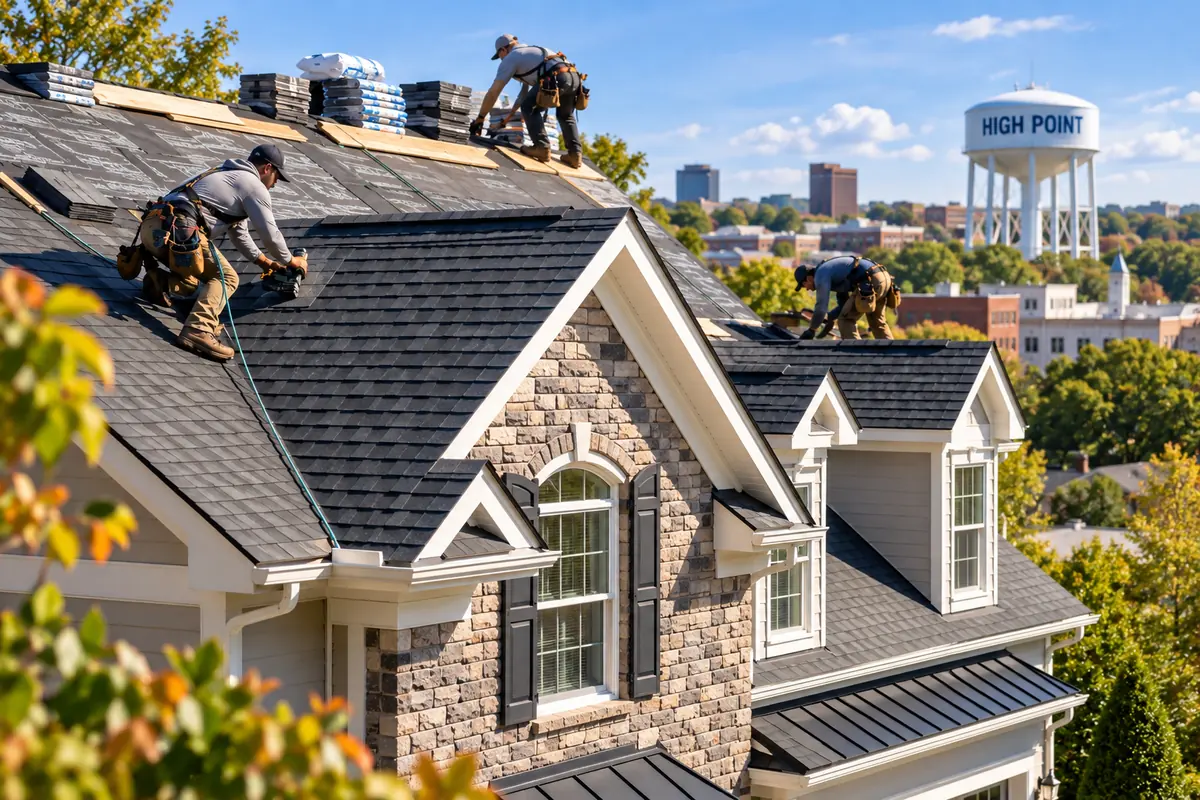
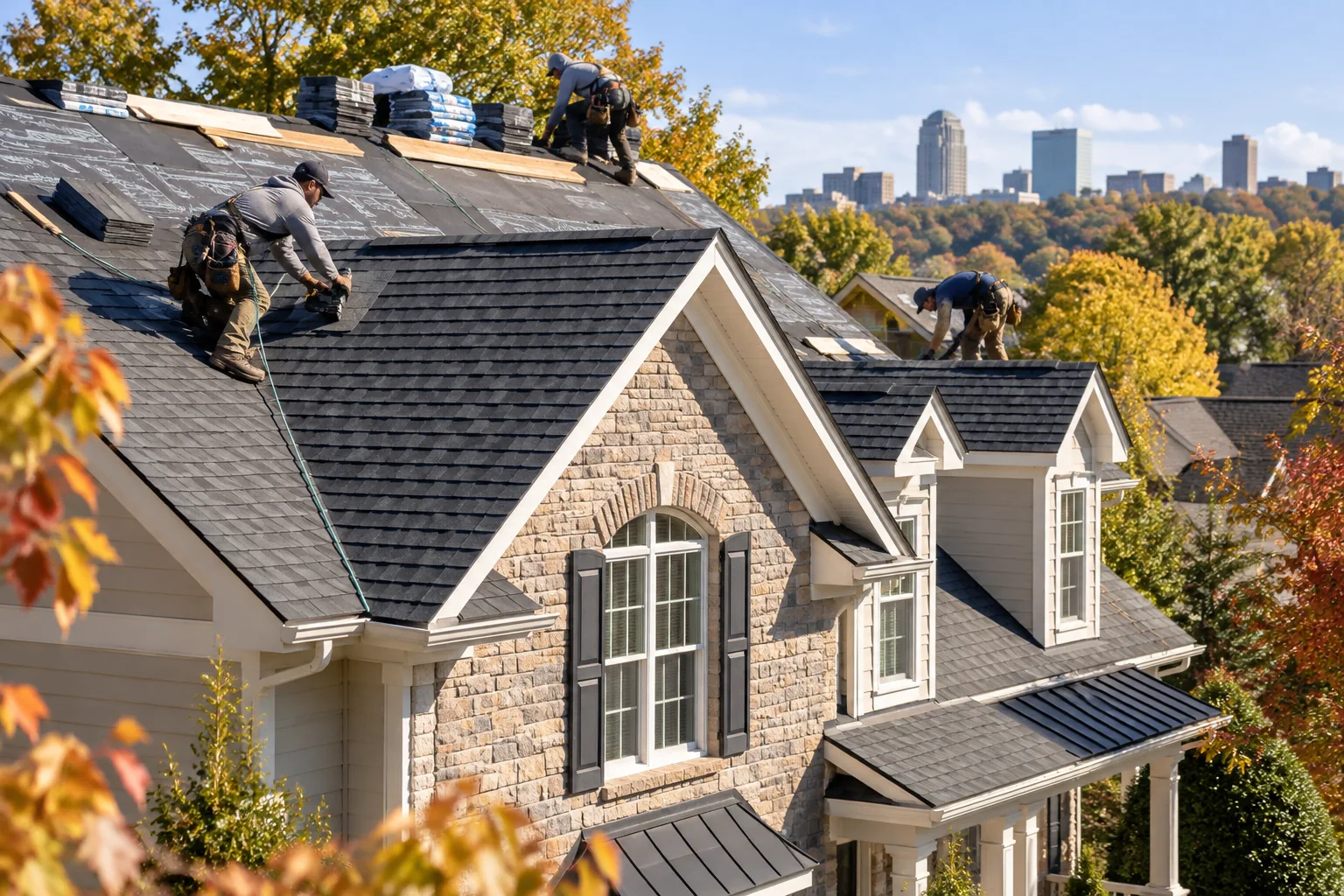

Contact us today for a free estimate, and let us show you why we're the preferred choice for homeowners and businesses alike. We're a family-owned local roofing company.
Top Roof Repair & Replacement Greensboro
Whether you're in need of a roof repair, full shingle roof replacement in Greensboro, or a completely new roof in Greensboro NC, our expert team is ready to deliver high-quality results with unmatched professionalism.We also specialize in insurance roof replacement in Greensboro, helping homeowners navigate the claims process after storm or hail damage with ease. If you've experienced wind or storm damage and need roof repair in Greensboro, we’re here to respond quickly and protect your home from further harm.Our services extend beyond traditional repairs to include metal roofing, commercial roofing, and complete residential roofing solutions — ensuring we have the right system for every customer and every roof type.

Metal Roofing
We specialize in installing GAF Timbersteel metal roofs: a stylish and energy efficient choice.

Roof Repair
We repair roof damage and roof leaks, execute roof replacements, and ensure that every square foot of your roof is in top condition.

Roof Replacement
Roof replacement is crucial not just for structural integrity but for a home's overall value.

Roof Inspection
We review both the interior and exterior components of the roof to identify potential issues.

Roof Rejuvenation
We methodically clean all roof types to improve curb appeal and avoid potential issues with this valuable preventative maintenance.

New Roof Installation
We take pride in installing cutting edge, long-lasting, and energy efficient roofs.