Impact-Resistant Shingles for Hail: Are Class 4 Roofs Worth It in the Triad?

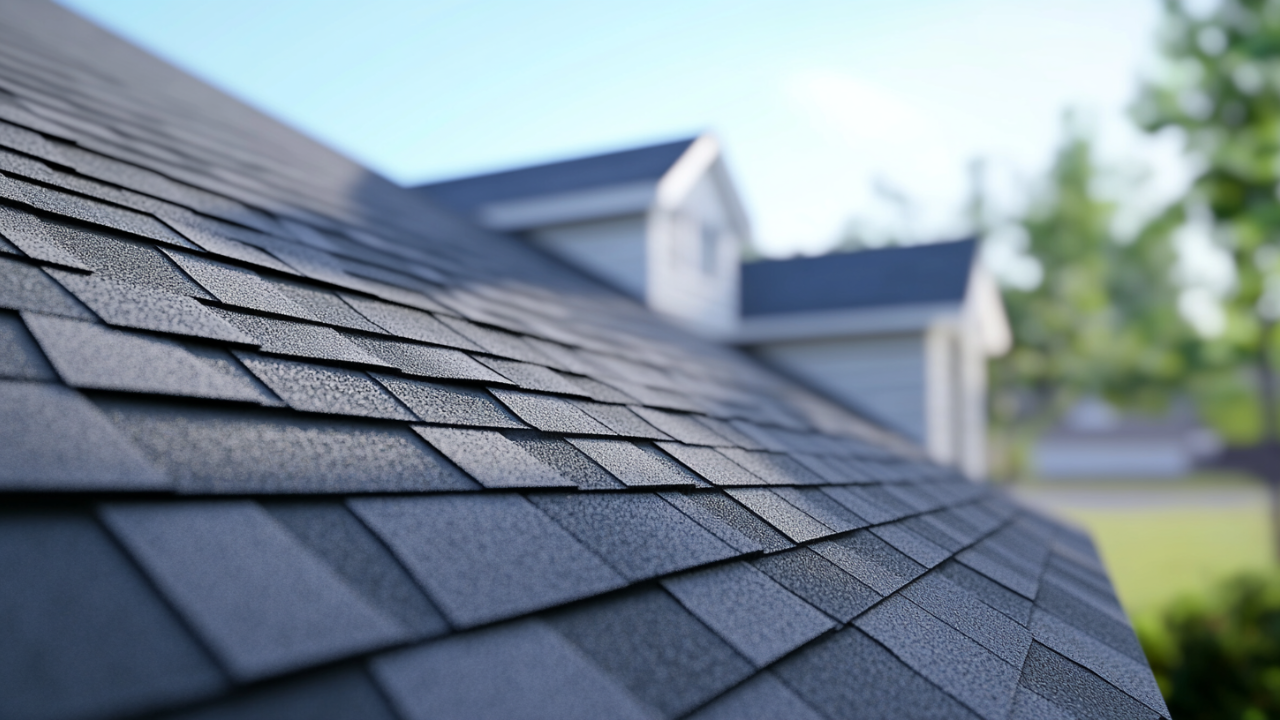
For many Triad homeowners, Class 4 impact-resistant shingles are worth it, especially if you are already replacing your roof, plan to stay in the home for years, and live where spring hail is a recurring concern. They resist hail better than standard shingles, but they are not hail-proof, and the value depends on your home and your insurance policy.
This guide explains what the Class 4 rating actually measures, where these shingles help and where they fall short, and the questions to ask before you upgrade. If you are still comparing materials more broadly, start with our overview of the best roofing materials for North Carolina weather.
What a Class 4 Impact Rating Actually Means
"Impact-resistant" is not just a marketing phrase. Most shingles sold with that label have been tested to a recognized standard, most commonly UL 2218. In that test, steel balls of increasing size are dropped onto a roofing sample, striking the same spot twice, and the sample is checked for cracks or tears that would let water through.
- Class 1 – passes with a 1¼-inch steel ball
- Class 2 – passes with a 1½-inch ball
- Class 3 – passes with a 1¾-inch ball
- Class 4 – passes with a 2-inch ball, the highest rating in the standard
Some products are also tested under FM 4473, a different method that fires ice balls at the sample. Either way, the rating tells you how the shingle performed in a controlled lab test. It does not promise how your roof will handle every real storm, where hail varies in size, density, wind-driven angle and duration.
When comparing products, look for the rating printed on the packaging or in the manufacturer's literature, not just a salesperson's description. Your roofer and your insurance agent may both ask for that documentation later.
Why Hail Matters for Piedmont Triad Roofs
The Piedmont sits in a zone where warm, humid air and passing cold fronts regularly build severe thunderstorms, particularly in spring and early summer. Some of those storms produce hail. Most hail events in the area are spotty, so one street can see significant roof damage while the next neighborhood barely notices a storm.
That unpredictability is the core argument for impact-resistant shingles. You cannot know in advance whether your house will be in the path of the next hail core. The National Weather Service office in Raleigh, which covers the Triad, issues severe thunderstorm warnings that include expected hail size, and following those alerts gives you a feel for how often hail-producing storms pass through your part of the region.
Recent storms have made this real for many local homeowners. Our write-up on how the March 2025 hailstorm impacted roofs in Greensboro shows the kinds of damage we saw after a single event. A Class 4 shingle is a way to reduce, though not eliminate, that exposure over the life of your next roof.
How Impact-Resistant Shingles Are Built Differently
Most Class 4 asphalt shingles look much like standard architectural shingles from the street. The differences are in the material and construction. Depending on the manufacturer, they may use:
- Polymer-modified asphalt (often SBS, a rubber-like modifier) that keeps the shingle more flexible, so it tends to absorb an impact rather than crack
- Reinforced backing or mat layers that help resist fractures and punctures
- Strong granule adhesion so the surface holds up better when struck
That flexibility also matters beyond hail. In the Triad's hot, humid summers and occasional winter ice, a shingle that stays pliable can be less prone to some forms of cracking as it ages. Performance still depends on ventilation, attic heat and installation quality, so the shingle itself is only part of the picture.
If you want a refresher on how standard asphalt products compare, see the pros and cons of asphalt roofing shingles.
The Real Benefits, and the Honest Limits
Where Class 4 shingles help
- Fewer cracked or fractured shingles from moderate hail that would damage standard products
- Less hidden damage such as bruised mats that can lead to leaks later
- Fewer disruptive repairs or replacements after typical spring storms
- Possible insurance benefits, depending on your carrier and policy
Where they fall short
- They are not hail-proof. Very large or wind-driven hail can still damage a Class 4 roof.
- Cosmetic marks can still appear. Dents, scuffs or granule loss may show even when the shingle still keeps water out. Some insurance policies treat cosmetic damage differently from functional damage, so read your policy closely.
- The rating covers the shingle, not the whole roof. Vents, skylights, flashing, gutters and siding can still be damaged.
- Wind is a separate issue. Impact resistance and wind resistance are rated differently. A shingle can be strong against hail and still depend on proper nailing and sealing to hold during high winds. FEMA's building science guidance is a useful resource on protecting homes from wind.
The best way to think about Class 4 is as risk reduction. It lowers the odds that an ordinary hailstorm turns into a roof replacement, but it does not remove the need for inspections after severe weather.
Cost Factors and Insurance Questions to Ask
Impact-resistant shingles generally cost more than comparable standard architectural shingles, but the difference for your home depends on several factors:
- Roof size and complexity: more facets, valleys and penetrations mean more material and labor
- Pitch: steeper roofs take more time and safety equipment to install
- The specific product line and color you choose
- Decking condition: damaged plywood or OSB found during tear-off adds to the job
- Accessory components such as underlayment, ventilation and flashing upgrades
For a whole-project picture, our roof replacement services page explains what goes into a new roof, and financing is available for homeowners who want to spread out the cost.
Talk to your insurance agent before you decide
Some insurers offer premium credits or other considerations for impact-rated roofs, and some do not. Policies also differ in how they handle cosmetic hail damage and deductibles. Before upgrading, ask your agent:
- Do you offer a discount or credit for a Class 4 roof, and what documentation do you need?
- Does my policy exclude cosmetic hail damage, and how is that defined?
- How does my hail or wind deductible work?
- If my current roof is being replaced through a claim, can I pay the difference to upgrade?
Get the answers in writing if possible. They often decide whether the upgrade pays back financially or mainly buys peace of mind.
When a Class 4 Roof Makes Sense, and When It May Not
There is no single right answer for every Triad home. These situations tend to favor an impact-resistant upgrade:
- You are already replacing your roof, so you pay only the difference in material and not for a separate project
- You plan to stay in the home for many years and want to reduce storm-related disruption
- Your home has had prior hail claims or sits in an area that seems to catch storms often
- Your insurer offers a meaningful credit for impact-rated roofing
- Your roof is a steep-slope design where shingles are the right material to begin with
It may make less sense when:
- You expect to sell soon and the price difference matters more than long-term protection
- Your roof is low-slope, where shingles are not the appropriate material and a membrane system is needed instead
- You are seriously considering metal or another material with its own impact characteristics
The Piedmont has a mix of housing, from older homes with original framing and decking to newer subdivisions with complex rooflines. A professional roof inspection can tell you whether your decking, ventilation and roof shape are ready for an upgrade and help you weigh the options for your specific house.
Installation Quality Matters as Much as the Shingle
A Class 4 rating is earned in a lab on properly made samples. On your home, performance depends on the whole roof system being installed correctly:
- Solid decking: soft or damaged sheathing gives hail a less supportive surface and should be replaced
- Underlayment and ice and water barrier in valleys and around penetrations
- Correct nailing pattern and placement per the manufacturer's instructions
- Balanced attic ventilation so heat does not age the shingles prematurely in our long summers
- Matching accessories such as starter strips, ridge caps and flashing
Manufacturer warranty coverage can also depend on following these installation requirements and using qualifying components, so ask your contractor to explain which warranty applies to your project. 5 Star Roofing is a GAF Master Elite® residential roofing contractor, a designation GAF reserves for contractors who meet its credentialing requirements. Whoever you hire, ask how they handle each step above.
Alternatives Worth Comparing
Impact-resistant asphalt shingles are not the only way to toughen a roof against hail. Many Triad homeowners also look at:
- Metal roofing: some metal panels carry impact ratings and resist punctures well, though hail can leave dents depending on the gauge and profile. Our guide to metal roofing systems in North Carolina answers common questions.
- Synthetic slate or shake: some composite products are designed with impact resistance in mind and offer a different look.
- Standard architectural shingles: still a solid, widely used choice when budget is the top priority and hail exposure seems lower.
Each option has trade-offs in appearance, weight, installation and long-term upkeep. Comparing them side by side for your specific roof is the most reliable way to choose.
Frequently Asked Questions
Are Class 4 shingles hail-proof?
No. Class 4 is the highest rating under the UL 2218 test, which means a sample withstood a 2-inch steel ball striking the same spot twice without cracking. Real hail can be larger, harder or wind-driven, so a Class 4 roof can still be damaged. It resists ordinary hail far better than standard shingles, but you should still have it inspected after severe storms.
Will impact-resistant shingles lower my homeowners insurance?
It depends on your insurer and policy. Some carriers offer premium credits for impact-rated roofs and others do not. Ask your agent whether a discount applies, what documentation is required, and how your policy treats cosmetic hail damage. Getting those answers before you choose a shingle helps you judge whether the upgrade pays back financially.
Do impact-resistant shingles look different from regular shingles?
Usually not noticeably. Most Class 4 asphalt shingles are made in architectural styles and colors similar to standard dimensional shingles, so from the street they look much like any other quality shingle roof. Color and style choices vary by product line, so ask your roofer for samples and photos of finished roofs before deciding.
Can I upgrade to Class 4 shingles during an insurance claim?
Often you can, by paying the difference between what the claim covers and the cost of the upgraded shingle. Policies vary, so confirm with your insurer before work begins. A roofer can help document the scope of damage, but the coverage decision belongs to your insurance company. See our guide to storm damage roof repair for next steps after hail.
Are impact-resistant shingles worth it if I might move soon?
Possibly not, if the price difference matters more to you than long-term protection. However, an impact-rated roof can be a selling point for buyers concerned about storm damage, and any insurance credit applies while you own the home. If you are replacing the roof anyway, the upgrade is often a smaller decision than it first appears. Weigh your timeline with a roofer.
Find Out If a Class 4 Roof Fits Your Home
Every roof in the Triad is different, and the right choice depends on your decking, roof shape, budget and insurance policy. 5 Star Roofing can inspect your roof, walk you through impact-resistant shingle options and give you a clear written proposal. Learn more about our work across the Piedmont Triad.
Request your free roofing estimate online or call (336) 780-7800 to schedule a visit.
Sources
Fill out our quick contact form to get a free estimate from one of our Roofers
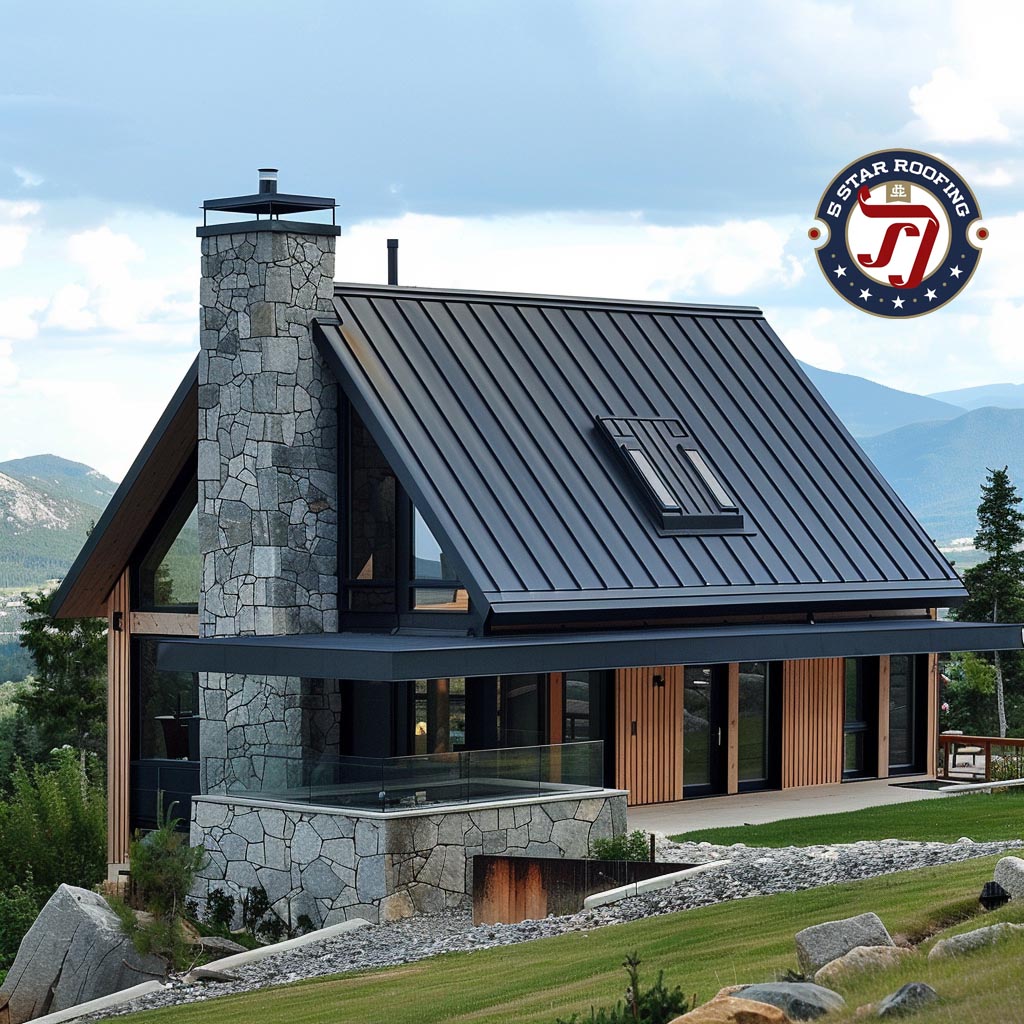
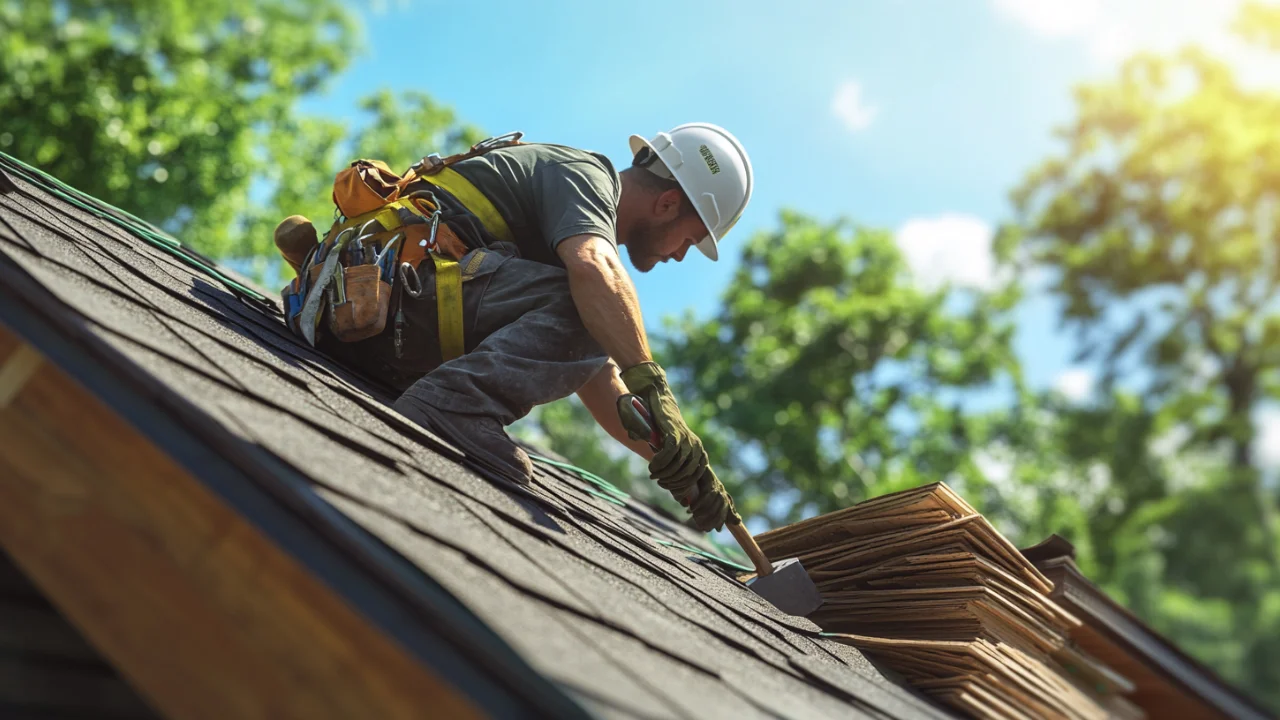
Contact us today for a free estimate, and let us show you why we're the preferred choice for homeowners and businesses alike. We're a family-owned local roofing company.
Top Roof Repair & Replacement Greensboro
Whether you're in need of a roof repair, full shingle roof replacement in Greensboro, or a completely new roof in Greensboro NC, our expert team is ready to deliver high-quality results with unmatched professionalism.We also specialize in insurance roof replacement in Greensboro, helping homeowners navigate the claims process after storm or hail damage with ease. If you've experienced wind or storm damage and need roof repair in Greensboro, we’re here to respond quickly and protect your home from further harm.Our services extend beyond traditional repairs to include metal roofing, commercial roofing, and complete residential roofing solutions — ensuring we have the right system for every customer and every roof type.

Metal Roofing
We specialize in installing GAF Timbersteel metal roofs: a stylish and energy efficient choice.

Roof Repair
We repair roof damage and roof leaks, execute roof replacements, and ensure that every square foot of your roof is in top condition.

Roof Replacement
Roof replacement is crucial not just for structural integrity but for a home's overall value.

Roof Inspection
We review both the interior and exterior components of the roof to identify potential issues.

Roof Rejuvenation
We methodically clean all roof types to improve curb appeal and avoid potential issues with this valuable preventative maintenance.

New Roof Installation
We take pride in installing cutting edge, long-lasting, and energy efficient roofs.