

What Does a Storm Damage Roof Inspection Include?
Reading Time: 10–12 Minutes
After a severe storm moves through your neighborhood, one of the smartest things you can do is schedule a professional roof inspection. Even if your roof looks perfectly fine from the ground, hidden storm damage can exist beneath the shingles or around critical roofing components.
Many homeowners assume a roof inspection simply involves checking for missing shingles. In reality, a comprehensive storm damage inspection is a detailed evaluation of your entire roofing system designed to identify both visible and hidden damage before it becomes a costly problem.
At 5 Star Roofing & Restoration, we've performed thousands of roof inspections throughout Greensboro, Winston-Salem, High Point, Kernersville, Summerfield, Oak Ridge, Lewisville, Burlington, Jamestown, Clemmons, and surrounding North Carolina communities. Our goal isn't simply to look for damage—it's to provide homeowners with a clear understanding of their roof's condition and honest recommendations for the next steps.
Whether your home experienced high winds, heavy rain, fallen tree limbs, or flying debris, this guide explains exactly what happens during a professional storm damage roof inspection and why it's one of the most important steps you can take after severe weather.
Quick Answer
A professional storm damage roof inspection evaluates every major component of your roofing system, including shingles, flashing, ridge caps, vents, gutters, roof valleys, attic ventilation, and signs of hidden water intrusion. The inspection helps determine whether storm damage is present, whether repairs are needed, and whether additional action should be considered.
Learn more about our Storm Damage Roof Repair Services:
https://www.5starroofingusa.com/roofing/storm-damage
Why Roof Inspections Matter After Severe Weather
Not every roofing problem is obvious.
Many homeowners only notice damage when they see:
- Missing shingles
- Water dripping from the ceiling
- Fallen tree limbs
- Pieces of roofing material in the yard
Unfortunately, some of the most serious storm damage cannot be seen from the ground.
Strong winds can loosen shingles without removing them.
Heavy rain can expose weak flashing around chimneys and roof penetrations.
Small branches may damage protective granules without puncturing the roof.
Weeks later, homeowners begin noticing:
- Ceiling stains
- Mold growth
- Wet attic insulation
- Interior leaks
By then, relatively minor storm damage may have developed into much more expensive repairs.
That's why early inspections are one of the best investments homeowners can make after severe weather.
When Should You Schedule a Roof Inspection?
You don't have to wait until your roof starts leaking.
We recommend scheduling a professional inspection if your home has recently experienced:
- Strong straight-line winds
- Severe thunderstorms
- Heavy rainfall
- Fallen tree limbs
- Flying debris
- Tropical storm remnants
- Large branches contacting the roof
Even if everything appears normal from the ground, hidden storm damage may still exist.
If you're unsure whether your roof needs an inspection, start with these homeowner guides:
What to Do After a Severe Storm Damages Your Roof
https://www.5starroofingusa.com/blog/what-to-do-after-a-severe-storm-damages-your-roof
10 Signs Your Roof Has Storm Damage
https://www.5starroofingusa.com/blog/10-signs-your-roof-has-storm-damage
What Happens During a Professional Roof Inspection?
Every roof is different, but a thorough inspection generally follows a systematic process.
Rather than focusing on a single problem area, experienced roofing professionals evaluate the entire roofing system.
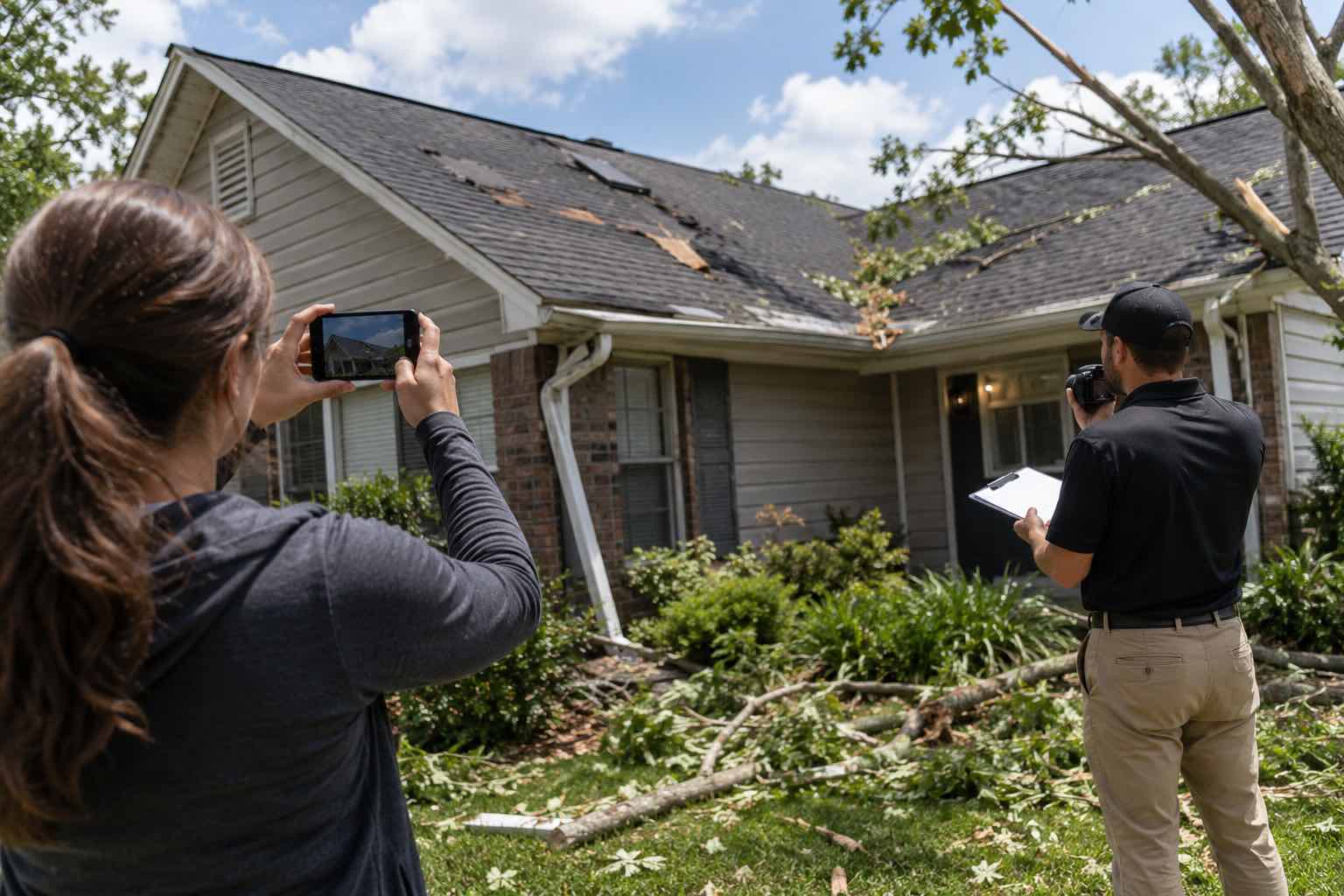
Step 1: Exterior Ground-Level Assessment
The inspection usually begins from the ground.
This allows the inspector to evaluate the home's overall condition before accessing the roof.
During this stage, they'll look for:
- Fallen branches
- Missing shingles visible from the ground
- Damaged gutters
- Bent fascia
- Siding damage
- Exterior water stains
- Storm debris
Photographs may also be taken to document the home's condition.
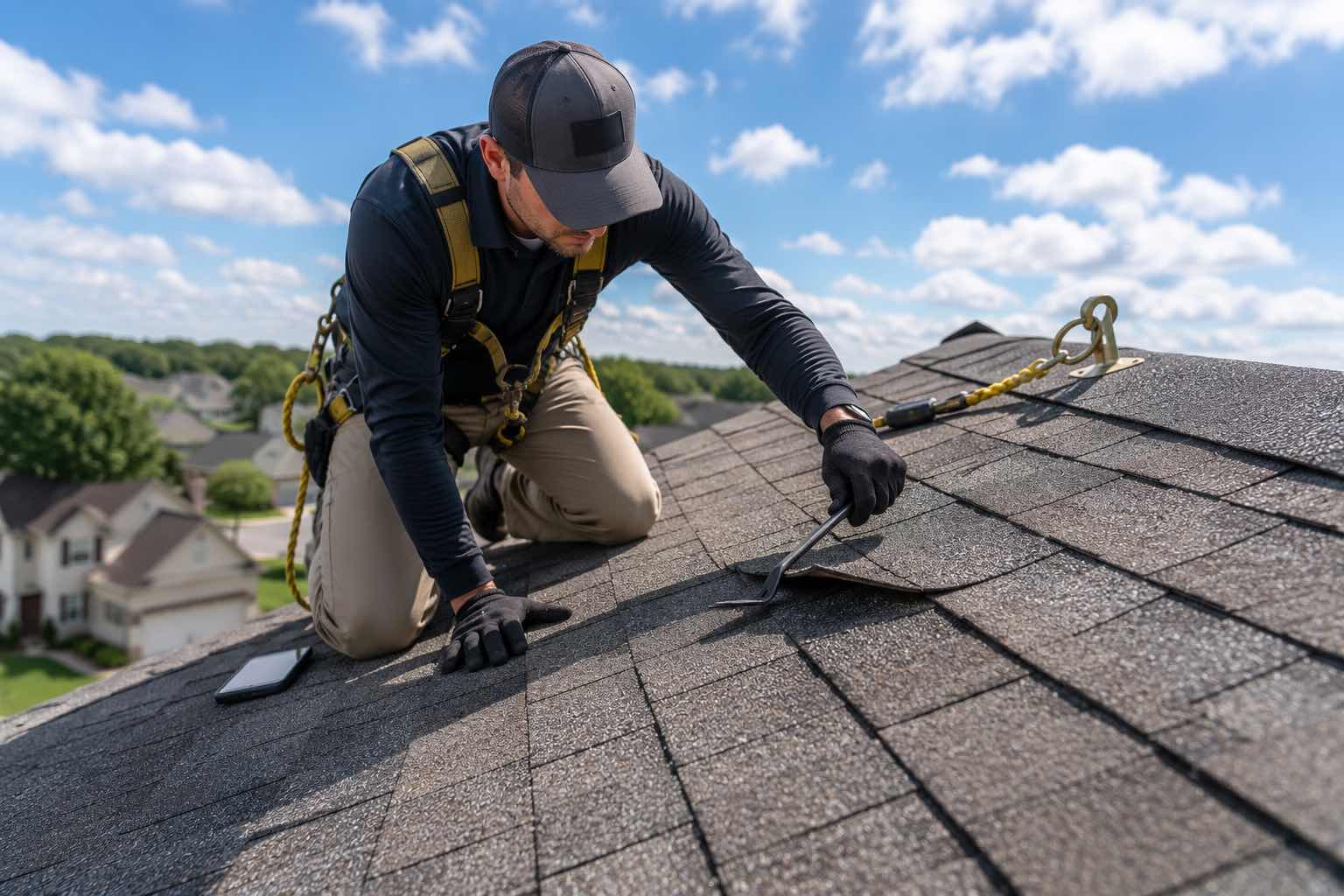
Step 2: Roof Surface Inspection
Next, the roofing professional carefully evaluates the roof itself.
This is where many forms of hidden storm damage are discovered.
The inspection typically includes checking for:
Missing Shingles
Strong winds can remove individual shingles or entire sections of roofing material.
Even one missing shingle can expose the roof to water intrusion.
Lifted Shingles
High winds frequently lift shingles without tearing them off.
Although they may settle back into place, the waterproof seal underneath may already be broken.
These shingles become much more vulnerable during future storms.
Creased Shingles
Wind pressure can bend shingles enough to create permanent creases.
Creased shingles often remain attached but have already suffered structural damage.
They're much more likely to fail during future weather events.
Granule Loss
Asphalt shingles are coated with protective mineral granules.
The inspector will look for excessive granule loss caused by storm impacts or flying debris.
Large areas of exposed asphalt may shorten the roof's lifespan and increase the risk of leaks.
Damaged Ridge Caps
Because ridge caps sit at the highest point of the roof, they're especially vulnerable to strong winds.
The inspector checks for:
- Missing ridge caps
- Loose ridge shingles
- Cracked ridge caps
- Wind-related displacement
Damage in these areas often allows water to enter the roofing system.
Step 3: Flashing Inspection
Flashing protects some of the most leak-prone areas of your roof.
During the inspection, flashing is carefully evaluated around:
- Chimneys
- Skylights
- Plumbing vents
- Roof valleys
- Wall intersections
The inspector looks for:
- Loose flashing
- Bent metal
- Missing sealant
- Corrosion
- Gaps that may allow water intrusion
Damaged flashing is one of the leading causes of hidden roof leaks after storms.
Learn more about our Roof Inspection Services:
https://www.5starroofingusa.com/roofing/inspection
Step 4: Inspecting Roof Penetrations
Every object that passes through your roof creates a potential entry point for water.
During a professional storm damage roof inspection, special attention is given to roof penetrations, including:
- Plumbing vent pipes
- Exhaust vents
- Attic vents
- Skylights
- Satellite mounts
- Solar panel mounts (if applicable)
Inspectors look for:
- Cracked rubber boots
- Loose fasteners
- Missing sealant
- Bent flashing
- Gaps around penetrations
- Storm-related movement
These areas are among the most common sources of roof leaks because they interrupt the continuous surface of the roofing system.
Step 5: Checking Roof Valleys
Roof valleys are where two roof slopes meet.
Because they channel large amounts of rainwater, valleys experience some of the highest water flow anywhere on the roof.
During the inspection, professionals evaluate:
- Valley flashing
- Shingle condition
- Debris accumulation
- Signs of water backup
- Exposed underlayment
- Storm damage from falling branches
Even minor damage in a roof valley can allow significant amounts of water to enter your home.
Step 6: Gutter and Drainage Inspection
Your gutters are an important part of your roofing system.
Storms frequently damage gutters by:
- Pulling them away from the fascia
- Bending sections
- Clogging downspouts
- Filling them with branches and debris
Poor drainage can allow water to back up beneath shingles, increasing the likelihood of leaks and wood rot.
During a roof inspection, the inspector evaluates:
- Gutter alignment
- Secure attachment
- Downspout performance
- Drainage patterns
- Overflow damage
- Signs of standing water
Learn more about our gutter services:
https://www.5starroofingusa.com/gutters
Step 7: Attic Inspection (When Accessible)
One of the most valuable parts of a professional inspection happens inside your attic.
Many roofing problems become visible there long before they appear inside your living space.
Inspectors check for:
- Water stains
- Wet insulation
- Mold growth
- Mildew odors
- Soft roof decking
- Sunlight entering through the roof
- Poor ventilation
- Condensation issues
Sometimes the attic reveals damage that isn't visible from the roof surface.
Step 8: Looking for Hidden Storm Damage
Not every storm leaves dramatic evidence.
In fact, hidden damage is one of the biggest reasons professional inspections are so important.
Inspectors look for subtle warning signs, including:
- Lifted shingles
- Broken adhesive seals
- Hairline cracks
- Loose ridge caps
- Minor flashing movement
- Soft decking
- Small punctures from debris
- Impact marks from tree branches
These issues may not leak immediately but can lead to significant water damage during future storms.
Learn more:
Can a Roof Leak Weeks After a Storm?
https://www.5starroofingusa.com/blog/can-a-roof-leak-weeks-after-a-storm
Step 9: Documenting the Roof's Condition
A professional inspection isn't complete without thorough documentation.
Your roofing contractor may:
- Photograph damaged areas
- Document overall roof condition
- Note areas requiring monitoring
- Identify recommended repairs
- Record signs of storm-related damage
This documentation provides homeowners with a clear understanding of their roof and serves as a useful reference if additional repairs become necessary in the future.
Common Types of Storm Damage Found During Inspections
Every storm is different, but inspectors commonly discover:
Wind Damage
- Missing shingles
- Lifted shingles
- Creased shingles
- Loose ridge caps
Learn more:
https://www.5starroofingusa.com/blog/wind-damage-vs-normal-roof-aging
Water Damage
- Wet decking
- Interior leaks
- Ceiling stains
- Mold development
Tree Damage
- Broken shingles
- Punctures
- Cracked flashing
- Damaged gutters
Debris Damage
Flying debris can strike roofing materials with surprising force.
Even when shingles remain intact, impacts may weaken the roof's protective surface.
What Happens After the Inspection?
Once the inspection is complete, your roofing professional should explain their findings in clear, easy-to-understand language.
Depending on the condition of your roof, recommendations may include:
- No repairs needed
- Routine maintenance
- Minor roof repairs
- Storm damage repairs
- Additional monitoring
- Roof replacement if appropriate
The goal is to help you make an informed decision based on the actual condition of your roofing system—not assumptions or pressure.
Learn more about:
Roof Repair
https://www.5starroofingusa.com/roofing/repair
Roof Replacement
https://www.5starroofingusa.com/roofing/replacement
Why Homeowners Across the Triad Trust 5 Star Roofing
At 5 Star Roofing & Restoration, every inspection is performed with one goal in mind: helping homeowners understand the true condition of their roof.
We're proud to serve homeowners throughout Greensboro, Winston-Salem, High Point, Kernersville, Summerfield, Oak Ridge, Lewisville, Burlington, Jamestown, Clemmons, and surrounding North Carolina communities.
Our team has earned recognition including:
- North Carolina's Best Roofing Contractor – 2026
- GAF Master Elite® Contractor
- GAF President's Club Award Winner
- GAF Triple Excellence Award Recipient
- BBB Accredited Business – A+ Rating
- Member of the National Roofing Contractors Association (NRCA)
Learn more about why homeowners trust our team:
https://www.5starroofingusa.com/why-homeowners-trust-5-star-roofing
Read customer reviews:
https://www.5starroofingusa.com/about/reviews
Frequently Asked Questions
How long does a professional storm damage roof inspection take?
Most residential roof inspections take between 30 minutes and 90 minutes, depending on the size, complexity, and accessibility of the roof. Larger homes or roofs with multiple elevations may require additional time.
Do I need to be home during the inspection?
It's helpful, but not always required.
If you're available, your roofing professional can review the findings with you, answer questions, and explain any recommendations. If you're unavailable, many contractors can provide photos and a detailed summary afterward.
Will a roof inspection damage my roof?
No. A professional inspection should never damage your roofing system.
Experienced roofing professionals use proper safety techniques and inspect your roof carefully to identify existing issues—not create new ones.
Can hidden storm damage really go unnoticed?
Yes.
Some of the most serious roofing problems begin with damage that isn't visible from the ground.
Examples include:
- Broken shingle seals
- Lifted shingles
- Bent flashing
- Small punctures
- Wet roof decking
- Moisture trapped beneath shingles
These issues often remain hidden until the next heavy rainstorm.
How often should my roof be inspected?
Most roofing professionals recommend a roof inspection:
- Once every year
- After severe storms
- Before buying or selling a home
- If your roof is more than 10 years old
- Whenever you notice signs of roof damage
Routine inspections can help identify small issues before they become major repairs.
What if my roof doesn't have storm damage?
That's good news.
A professional inspection can still identify maintenance items that may help extend the life of your roof, such as replacing aging sealant, cleaning debris from valleys, or repairing minor flashing issues before they develop into leaks.
Will I receive photos of the inspection?
Many professional roofing companies provide photographs documenting the condition of your roof. These images can help homeowners better understand any findings and provide a useful record for future maintenance.
Can a roof inspection help prevent expensive repairs?
Absolutely.
Finding a lifted shingle, loose flashing, or clogged gutter today is far less expensive than repairing interior water damage, mold, or structural deterioration later.
Routine inspections are one of the best ways to protect your investment.
Protect Your Home with a Professional Roof Inspection
Your roof is your home's first line of defense against North Carolina's changing weather.
Even if everything appears normal after a storm, hidden damage may already exist beneath the surface.
A professional storm damage roof inspection provides peace of mind by identifying problems early, documenting your roof's condition, and helping you understand the best path forward.
Whether your roof needs a simple repair, routine maintenance, or no work at all, having accurate information allows you to make confident decisions about protecting your home.
At 5 Star Roofing & Restoration, we're committed to honest inspections, expert craftsmanship, and exceptional customer service for homeowners throughout Greensboro, Winston-Salem, High Point, Kernersville, Summerfield, Oak Ridge, Lewisville, Burlington, Jamestown, Clemmons, and the surrounding North Carolina Triad.
Schedule Your FREE Storm Damage Roof Inspection
If your home has recently experienced strong winds, heavy rain, or falling tree limbs, don't wait for hidden damage to become a costly repair.
Schedule your FREE professional roof inspection today.
Storm Damage Roof Repair
https://www.5starroofingusa.com/roofing/storm-damage
Request a Free Estimate
https://www.5starroofingusa.com/request-an-estimate
Related Resources
Continue learning with these homeowner guides:
- What to Do After a Severe Storm Damages Your Roof
- 10 Signs Your Roof Has Storm Damage (Even If It Looks Fine)
- Can a Roof Leak Weeks After a Storm? Here's Why It Happens
- Wind Damage vs. Normal Roof Aging: How to Tell the Difference
- Should You Call Your Insurance Company or a Roofer First?
- Storm Damage Roof Repair
- Roof Inspection Services
- Roof Repair Services
- Roof Replacement Services
- Why Homeowners Trust 5 Star Roofing
- Customer Reviews
- Financing Options
Helpful resources from trusted organizations:
- National Weather Service Storm Safety: https://www.weather.gov/safety
- FEMA Disaster Recovery Resources: https://www.fema.gov
- Insurance Institute for Business & Home Safety: https://ibhs.org
- National Roofing Contractors Association: https://www.nrca.net
- GAF Roofing Learning Center: https://www.gaf.com
Last Updated: June 2026
Reviewed by: 5 Star Roofing & Restoration
Serving homeowners throughout Greensboro, Winston-Salem, High Point, Kernersville, Summerfield, Oak Ridge, Lewisville, Burlington, Jamestown, Clemmons, and surrounding North Carolina communities.
Fill out our quick contact form to get a free estimate from one of our Roofers

Contact us today for a free estimate, and let us show you why we're the preferred choice for homeowners and businesses alike. We're a family-owned local roofing company.
Top Roof Repair & Replacement Greensboro
Whether you're in need of a roof repair, full shingle roof replacement in Greensboro, or a completely new roof in Greensboro NC, our expert team is ready to deliver high-quality results with unmatched professionalism.We also specialize in insurance roof replacement in Greensboro, helping homeowners navigate the claims process after storm or hail damage with ease. If you've experienced wind or storm damage and need roof repair in Greensboro, we’re here to respond quickly and protect your home from further harm.Our services extend beyond traditional repairs to include metal roofing, commercial roofing, and complete residential roofing solutions — ensuring we have the right system for every customer and every roof type.

Metal Roofing
We specialize in installing GAF Timbersteel metal roofs: a stylish and energy efficient choice.

Roof Repair
We repair roof damage and roof leaks, execute roof replacements, and ensure that every square foot of your roof is in top condition.

Roof Replacement
Roof replacement is crucial not just for structural integrity but for a home's overall value.

Roof Inspection
We review both the interior and exterior components of the roof to identify potential issues.

Roof Rejuvenation
We methodically clean all roof types to improve curb appeal and avoid potential issues with this valuable preventative maintenance.

New Roof Installation
We take pride in installing cutting edge, long-lasting, and energy efficient roofs.