What to Do After a Severe Storm Damages Your Roof: A Complete North Carolina Homeowner's Guide


What to Do After a Severe Storm Damages Your Roof: A Complete North Carolina Homeowner's Guide
Reading Time: 12–15 Minutes
Severe storms can move through North Carolina with little warning, bringing powerful winds, heavy rain, lightning, and falling tree limbs that can damage your roof in minutes. While some damage is immediately obvious, many roofing problems remain hidden until water begins leaking into your home weeks or even months later.
Whether you live in Greensboro, Winston-Salem, High Point, Kernersville, Summerfield, Oak Ridge, Burlington, Lewisville, or anywhere throughout the Triad, knowing what to do after a storm can protect your home, simplify the insurance process, and prevent small roofing issues from turning into expensive repairs.
At 5 Star Roofing & Restoration, we've helped hundreds of homeowners recover from severe weather with professional roof inspections, honest recommendations, and quality repairs. As North Carolina's Best Roofing Contractor for 2026, a GAF Master Elite® Contractor, GAF President's Club Award Winner, and BBB Accredited A+ business, we understand how quickly storm damage can escalate when left unaddressed.
If you suspect your roof may have been damaged, don't wait until you see water dripping from your ceiling. The sooner damage is identified, the easier—and often less expensive—it is to repair.
Quick Answer
If your home has experienced severe weather, follow these six important steps:
- Make sure everyone is safe.
- Inspect your property from the ground.
- Document all visible damage.
- Prevent additional water intrusion if it is safe to do so.
- Schedule a professional roof inspection.
- Contact your insurance company if storm damage is confirmed.
Even if your roof appears undamaged, hidden storm damage may still exist. Scheduling a professional inspection after severe weather is one of the best ways to protect your home.
If you need immediate assistance, visit our Storm Damage Roof Repair page:
https://www.5starroofingusa.com/roofing/storm-damage
Why Every Storm Should Be Taken Seriously
Not every storm leaves behind obvious destruction, but every significant weather event has the potential to weaken your roofing system.
Strong winds can lift shingles without completely removing them. Heavy rain can find its way beneath aging roofing materials. Falling branches may damage flashing, ridge caps, gutters, or roof decking without creating visible holes. Even flying debris can strip away the protective granules that help shingles resist UV rays and weather.
Unfortunately, many homeowners don't discover storm damage until they notice water stains on their ceilings, damp insulation in the attic, or mold growth inside the home.
North Carolina experiences:
- Severe thunderstorms
- Straight-line winds
- Heavy rainfall
- Tropical storm remnants
- Ice storms
- Falling tree limbs
- Rapid seasonal weather changes
Each of these weather events places stress on your roofing system.
That's why homeowners throughout the Triad should consider scheduling a professional roof inspection after any significant storm.
Learn more about our professional inspection process:
https://www.5starroofingusa.com/roofing/inspection
Step 1: Make Safety Your First Priority
Before thinking about your roof, think about your family.
If the storm has just passed, remain cautious and watch for hazards around your property.
Stay away from:
- Downed power lines
- Broken tree limbs
- Flooded areas
- Damaged structures
- Exposed electrical wiring
Never climb onto your roof immediately after a storm.
Storm-damaged roofs can become extremely slippery, and hidden structural damage may make sections of the roof unsafe to walk on.
Professional roofing contractors have the proper safety equipment and training needed to inspect roofs safely.
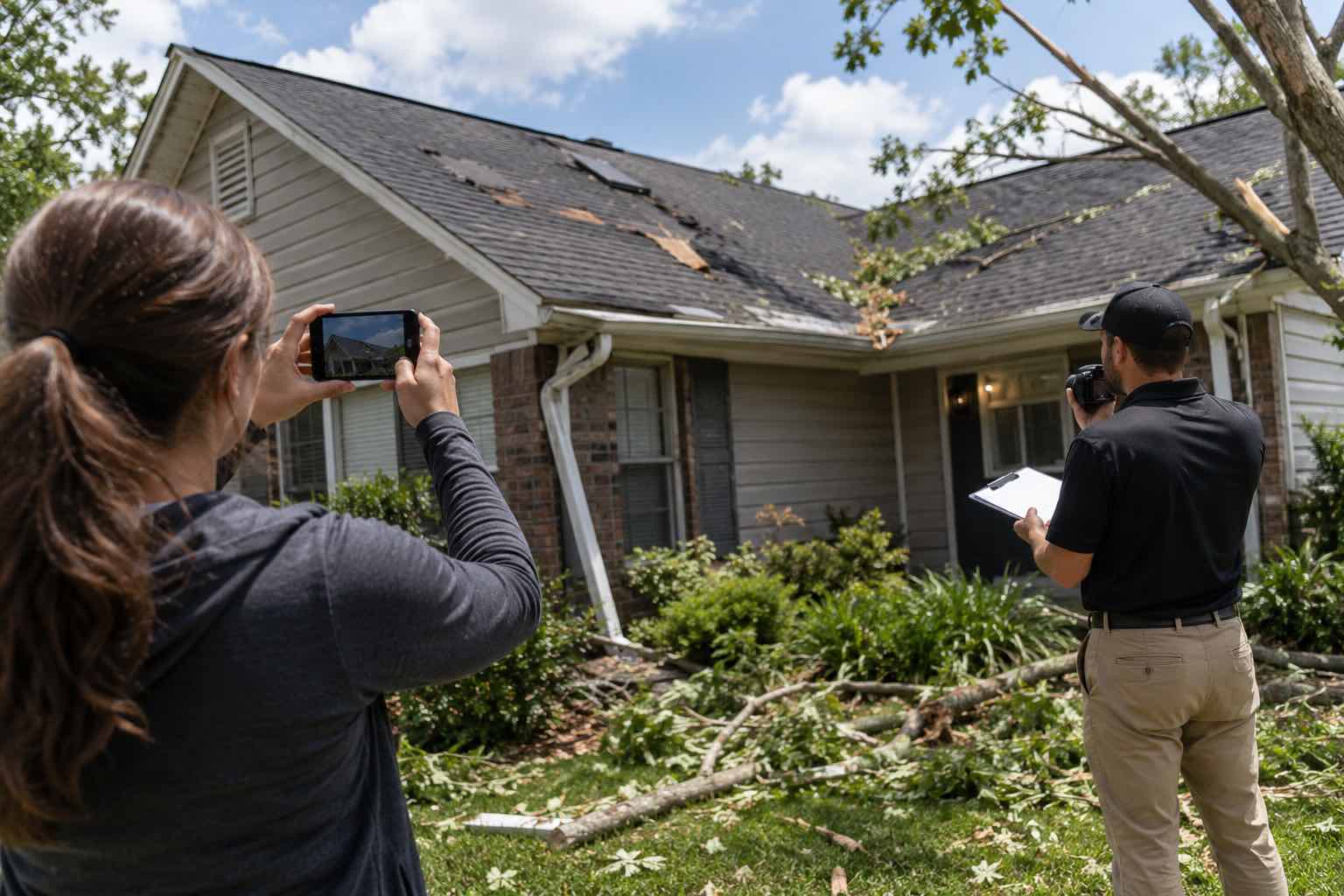
Step 2: Inspect Your Property From the Ground
Once conditions are safe, perform a careful inspection around your home.
Look for obvious signs of storm damage.
Missing Shingles
Missing shingles are one of the easiest signs of storm damage to identify.
Strong winds can remove shingles completely or lift them enough to break the waterproof seal beneath.
If left unrepaired, even a single missing shingle can allow moisture to penetrate your roofing system.
If you notice missing shingles, learn more about our Roof Repair Services:
https://www.5starroofingusa.com/roofing/repair
Damaged Flashing
Inspect areas around:
- Chimneys
- Plumbing vents
- Skylights
- Roof valleys
- Dormers
Flashing helps keep water out of vulnerable areas of your roof.
Even minor flashing damage can eventually cause significant leaks.
Fallen Tree Limbs
North Carolina storms frequently bring falling branches and tree limbs.
Even smaller branches can:
- Crack shingles
- Dent flashing
- Damage gutters
- Scratch protective granules
Large branches should never be removed from the roof until the structure has been evaluated for safety.
Gutter Damage
Your gutters play an important role in protecting your roof.
Check for:
- Detached gutters
- Bent sections
- Overflowing debris
- Loose downspouts
- Sagging gutter runs
Storm-damaged gutters can allow water to back up beneath roofing materials or pool around your home's foundation.
Learn more about our gutter services:
https://www.5starroofingusa.com/gutters/greensboro
Roof Debris
Leaves, sticks, pine needles, and other debris can trap moisture against your roofing materials.
Over time, trapped moisture can shorten the lifespan of shingles and encourage mold or algae growth.
Step 3: Inspect the Inside of Your Home
Storm damage isn't always visible from outside.
Walk through your home and look carefully for signs of water intrusion.
Check Your Ceilings
Watch for:
- Water stains
- Bubbling paint
- Peeling drywall
- Sagging ceilings
Even small stains may indicate roof damage that requires immediate attention.
Inspect Your Attic
If you have attic access, inspect for:
- Wet insulation
- Damp wood
- Water stains
- Mold growth
- Daylight coming through the roof decking
These are often the earliest indicators of roof leaks.
Examine Exterior Walls
Pay attention to:
- Window trim
- Exterior corners
- Fireplace walls
- Upper-floor ceilings
Water often travels before becoming visible, meaning the interior stain may not be directly beneath the damaged area of the roof.
Step 4: Document Everything
Before making temporary repairs, thoroughly document your property.
Take photographs of:
- Missing shingles
- Damaged flashing
- Fallen trees
- Bent gutters
- Interior leaks
- Ceiling stains
- Damaged siding
- Debris around the home
Take both close-up and wide-angle photos.
If possible:
- Record videos.
- Write down the date and approximate time of the storm.
- Save weather alerts if available.
- Keep receipts for emergency repairs.
This documentation can become valuable if you later file a homeowners insurance claim.
Step 5: Prevent Additional Damage
Insurance companies generally expect homeowners to take reasonable steps to prevent additional damage after a storm.
If water is entering your home:
- Place buckets beneath active leaks.
- Move furniture away from affected areas.
- Cover valuables with plastic sheeting.
- Remove wet rugs if possible.
- Turn off electricity if water is approaching electrical fixtures.
Avoid attempting permanent roof repairs yourself.
Temporary roof tarping should only be completed when it can be done safely or by qualified roofing professionals.
If emergency repairs are needed, contact our team through:
https://www.5starroofingusa.com/contact
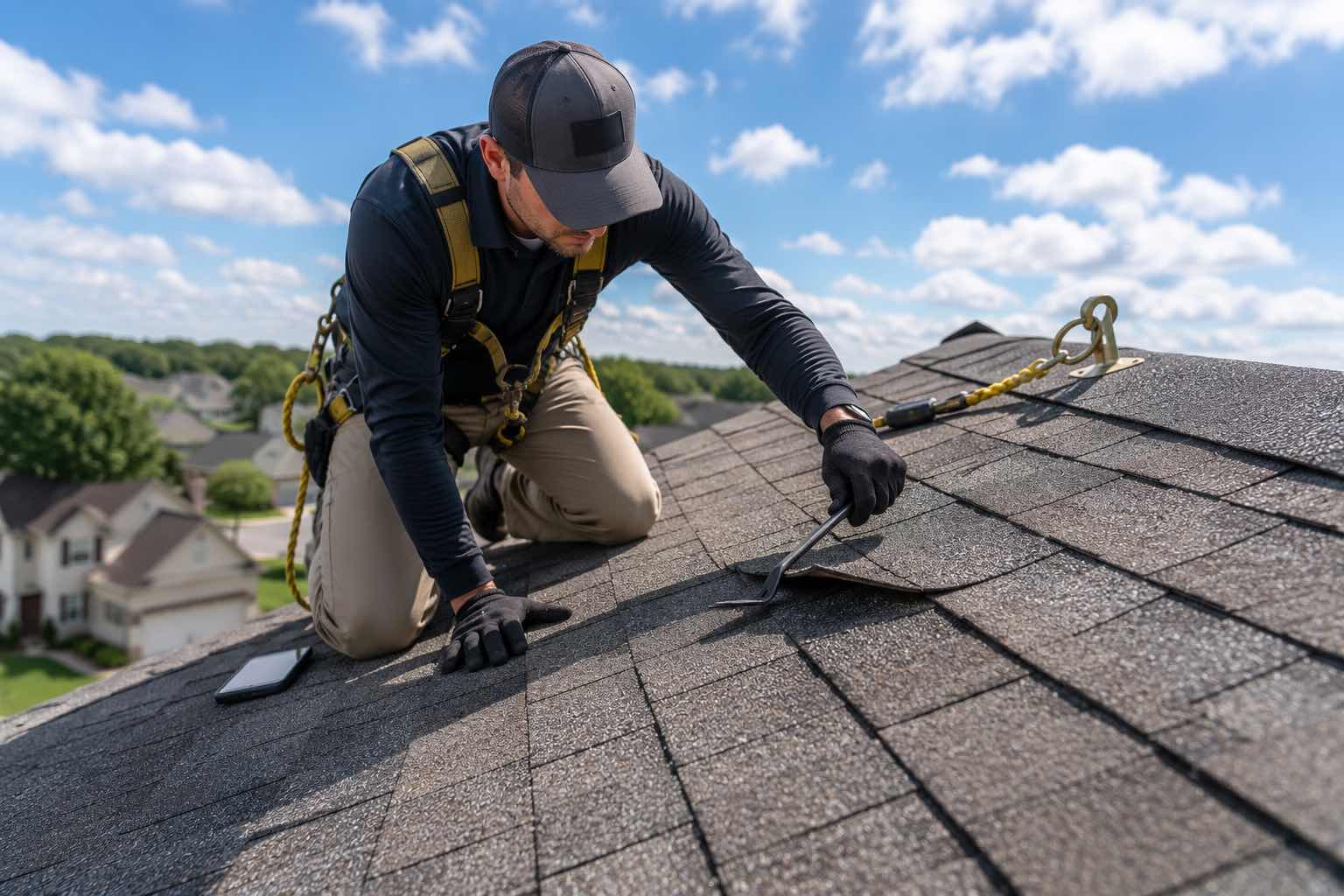
Step 6: Schedule a Professional Roof Inspection
One of the biggest mistakes homeowners make after a storm is assuming that no visible damage means their roof is fine.
Many forms of storm damage simply cannot be identified from the ground.
A professional inspection evaluates:
- Lifted shingles
- Broken adhesive seals
- Damaged ridge caps
- Flashing failures
- Soft roof decking
- Water intrusion
- Vent penetrations
- Chimney flashing
- Gutter systems
- Structural concerns
At 5 Star Roofing & Restoration, every inspection is designed to provide homeowners with an honest assessment of their roof's condition.
If repairs are needed, we'll explain your options clearly.
If replacement is the better long-term solution, we'll explain why.
Our goal is to help homeowners make informed decisions—not pressure them into unnecessary work.
Learn more about why hundreds of homeowners trust our team:
https://www.5starroofingusa.com/why-homeowners-trust-5-star-roofing
Fill out our quick contact form to get a free estimate from one of our Roofers

Contact us today for a free estimate, and let us show you why we're the preferred choice for homeowners and businesses alike. We're a family-owned local roofing company.
Top Roof Repair & Replacement Greensboro
Whether you're in need of a roof repair, full shingle roof replacement in Greensboro, or a completely new roof in Greensboro NC, our expert team is ready to deliver high-quality results with unmatched professionalism.We also specialize in insurance roof replacement in Greensboro, helping homeowners navigate the claims process after storm or hail damage with ease. If you've experienced wind or storm damage and need roof repair in Greensboro, we’re here to respond quickly and protect your home from further harm.Our services extend beyond traditional repairs to include metal roofing, commercial roofing, and complete residential roofing solutions — ensuring we have the right system for every customer and every roof type.

Metal Roofing
We specialize in installing GAF Timbersteel metal roofs: a stylish and energy efficient choice.

Roof Repair
We repair roof damage and roof leaks, execute roof replacements, and ensure that every square foot of your roof is in top condition.

Roof Replacement
Roof replacement is crucial not just for structural integrity but for a home's overall value.

Roof Inspection
We review both the interior and exterior components of the roof to identify potential issues.

Roof Rejuvenation
We methodically clean all roof types to improve curb appeal and avoid potential issues with this valuable preventative maintenance.

New Roof Installation
We take pride in installing cutting edge, long-lasting, and energy efficient roofs.