

Most residential roofs last between 20 and 50 years, depending on the roofing material, installation quality, ventilation, maintenance, and local weather conditions. Architectural asphalt shingles commonly last around 20–30 years, while properly installed metal roofing can last 40–70 years or longer.
The age of a roof is only one factor in deciding whether it needs replacement. Missing shingles, recurring leaks, deteriorating flashing, storm damage, and widespread wear can indicate that a roof needs professional attention before its expected lifespan ends.
For homeowners in Greensboro, Winston-Salem, High Point, and surrounding North Carolina communities, understanding these warning signs can help prevent expensive water damage and unnecessary repairs.
At 5 Star Roofing & Restoration, we help homeowners evaluate roof condition and determine whether repair or replacement is the more practical solution.
How Long Does a Roof Last by Material?
Different roofing materials have different expected service lives.
Roofing materialTypical lifespanKey considerationThree-tab asphalt shingles15–25 yearsAffordable but generally shorter-livedArchitectural asphalt shingles20–30 yearsPopular balance of cost and durabilityStanding-seam metal roofing40–70 yearsLong service life with proper installationWood shingles or shakes20–40 yearsRequires regular maintenanceSynthetic slate30–50+ yearsPerformance varies by manufacturerNatural slate75–100+ yearsLong-lasting but heavy and expensive
These are general estimates, not guaranteed lifespans. Actual performance depends on the product, climate, roof design, workmanship, and maintenance.
How Long Do Asphalt Shingle Roofs Last?
Asphalt shingles are among the most common roofing materials used on North Carolina homes.
Three-tab asphalt shingles
Traditional three-tab shingles generally last approximately 15–25 years under suitable conditions.
They offer a relatively affordable roofing option but may have lower wind-resistance ratings and shorter service lives than many architectural shingle products.
Architectural asphalt shingles
Architectural shingles typically last around 20–30 years, although some roofs may last longer or require replacement sooner.
Their laminated construction creates a dimensional appearance, and many products offer enhanced performance characteristics compared with traditional three-tab shingles.
However, the shingle alone does not determine the roof's lifespan.
Underlayment, flashing, ventilation, installation methods, and the condition of the roof decking all influence long-term performance.
Homeowners considering replacement should compare complete roofing systems rather than choosing shingles based only on appearance or advertised warranty length.
How Long Does a Metal Roof Last?
Metal roofs can provide decades of protection when properly designed, installed, and maintained.
Standing-seam metal roofing commonly has a potential service life of 40–70 years.
However, metal roofing performance varies by material, protective coating, fastening system, installation, and environmental exposure.
What makes metal roofing last longer?
Several factors contribute to durability:
- Properly designed and installed seams
- Suitable corrosion-resistant materials and coatings
- Appropriate flashing around roof penetrations
- Correct allowance for thermal expansion and contraction
- Periodic inspection and maintenance
Metal roofing generally costs more upfront than asphalt shingles, but its longer potential service life may appeal to homeowners planning to stay in their property for decades.
What Factors Shorten a Roof's Lifespan in North Carolina?
A roof's expected lifespan can change significantly depending on its environment.
1. Severe thunderstorms and strong winds
Greensboro, Winston-Salem, and High Point experience seasonal thunderstorms that may produce damaging winds, hail, and heavy rainfall.
Strong winds can lift or dislodge shingles, damage flashing, and expose vulnerable roofing components.
Even relatively new roofs can sustain storm damage.
2. Summer heat and inadequate ventilation
North Carolina summers can produce high attic temperatures.
Poor ventilation, inadequate insulation, and improper roof-system design can contribute to unfavorable attic conditions and roofing deterioration.
A properly designed ventilation system helps manage heat and moisture, although ventilation requirements depend on the home's construction.
3. Heavy rainfall and moisture intrusion
Persistent moisture can damage roof decking, insulation, ceilings, and interior finishes.
Roof leaks often originate around flashing, valleys, roof penetrations, or damaged roofing components.
Prompt repairs can help limit further deterioration.
4. Algae, moss, and debris
Shaded roof areas may develop algae or moss.
Leaves and debris can also accumulate in valleys and gutters, interfering with drainage.
Use manufacturer-approved cleaning methods and avoid aggressive pressure washing that could damage roofing materials.
5. Installation quality
Even premium roofing products can fail prematurely when installed incorrectly.
Improper flashing, inadequate fastening, poor ventilation, or unsuitable underlayment can compromise the roofing system.
This is why contractor qualifications and installation practices are as important as material selection.
7 Warning Signs Your Roof May Need Replacement
Roof age alone does not automatically mean replacement is necessary.
However, the following conditions deserve professional evaluation.
1. Missing or damaged shingles
Shingles that are missing, torn, cracked, or repeatedly displaced may leave portions of the roof vulnerable to moisture.
Isolated damage may be repairable. Widespread deterioration may justify replacement.
2. Recurring roof leaks
A single leak does not necessarily mean the entire roof has failed.
However, repeated leaks in multiple areas may indicate broader roofing-system problems.
3. Excessive shingle granule loss
Asphalt shingles contain protective granules.
Some granule shedding can occur naturally, especially after installation, but significant loss accompanied by exposed asphalt or visible deterioration may indicate aging.
4. Curling or deteriorating shingles
Shingles that curl, crack, or become brittle may be approaching the end of their useful service life.
A professional inspection can help determine whether deterioration is isolated or widespread.
5. Damaged flashing
Flashing protects vulnerable areas around chimneys, walls, vents, and other roof penetrations.
Deteriorated or improperly installed flashing can allow water intrusion even when surrounding shingles remain intact.
6. Roof decking deterioration
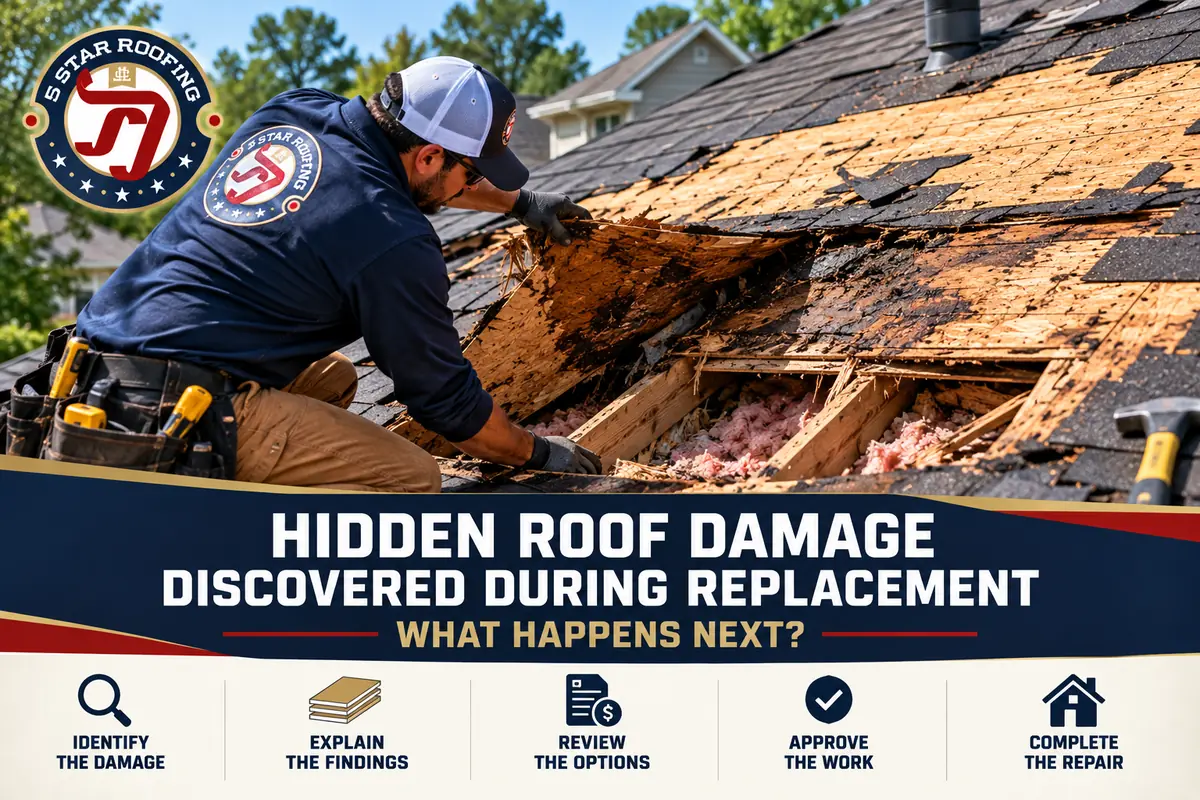
Soft spots, sagging roof sections, or visible moisture damage may indicate structural or decking concerns.
These conditions require professional assessment and should not be investigated by walking on a potentially unsafe roof.
7. Frequent repair expenses
If a roof requires repeated repairs, homeowners should compare the cost of continued maintenance against the potential value of replacement.
A full replacement may be more practical when multiple roofing components are deteriorating.
Should You Repair or Replace an Aging Roof?
The decision depends on the extent of damage, roof condition, repair history, and expected remaining service life.
Roof conditionPossible recommendationSmall isolated leakTargeted repairA few damaged shinglesRepair if surrounding roof is serviceableWidespread shingle deteriorationConsider replacementMultiple recurring leaksComprehensive inspectionExtensive storm damageEvaluate repair versus replacementSignificant decking deteriorationStructural assessment and potentially substantial replacement work
A professional inspection should identify the actual condition of the roofing system before recommending major work.
How Can Homeowners Extend the Life of Their Roof?
Routine maintenance cannot prevent every roofing problem, but it can help identify issues before they become more expensive.
Schedule periodic roof inspections
Arrange an inspection when there are signs of damage, following significant storms, or when an older roof requires closer monitoring.
Keep gutters and drainage paths clear
Clogged gutters can contribute to water overflow and moisture problems around the roof edge and home.
Address small leaks promptly
Water intrusion can affect insulation, drywall, decking, and other building materials.
Early repairs may reduce the extent of damage.
Maintain appropriate attic ventilation
Ventilation and insulation should be evaluated as part of the home's overall roofing and building-envelope system.
Remove problematic overhanging branches
Branches rubbing against the roof can damage roofing materials.
Tree maintenance should be performed safely by qualified personnel when appropriate.
Keep maintenance records
Document inspections, repairs, warranties, and storm-related work.
These records can help future contractors evaluate the roof's history.
How Much Does Roof Replacement Cost in North Carolina?
Roof replacement costs vary considerably.
The most important factors include:
- Roof size and slope
- Roofing material selection
- Existing roof removal
- Decking condition
- Flashing and ventilation requirements
- Roof complexity and accessibility
- Labor and disposal costs
- Applicable building codes and permit requirements
Architectural asphalt shingles generally have a lower initial installation cost than standing-seam metal or natural slate.
However, homeowners should consider total project scope, warranty coverage, and expected service life rather than comparing material prices alone.
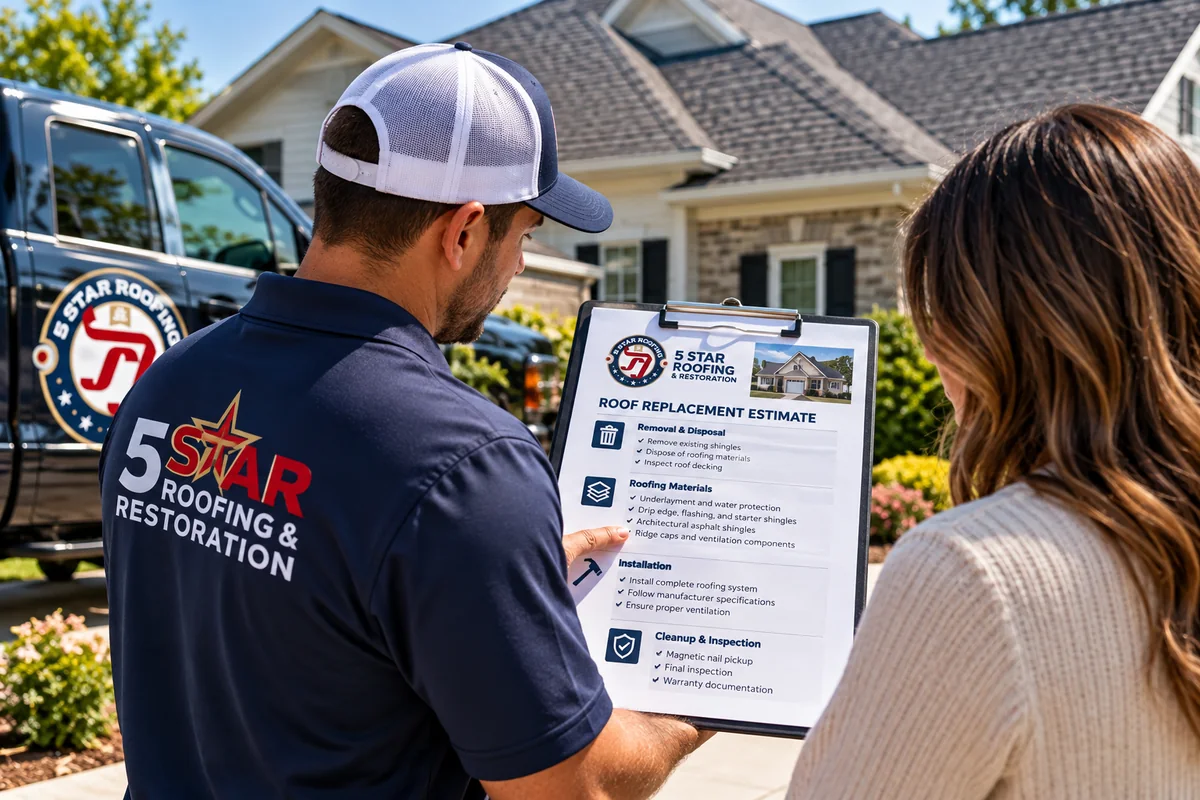
A professional estimate provides a more reliable cost assessment than a generic national average.
Does a Roofing Warranty Mean Your Roof Will Last That Long?
Not necessarily.
A manufacturer's warranty period should not be confused with the expected physical service life of the roof.
Roofing warranties may cover qualifying material defects, specified workmanship issues, or eligible roofing-system components.
Coverage depends on the actual warranty terms, exclusions, installation requirements, and registration conditions.
As a GAF Master Elite® contractor, 5 Star Roofing & Restoration can discuss qualifying GAF roofing systems and available enhanced warranty options.
Homeowners should always review the written warranty documentation before selecting a roofing system.
How Long Do Roofs Last in Greensboro, Winston-Salem, and High Point?
Homeowners throughout the Piedmont Triad face many of the same roofing challenges, including seasonal thunderstorms, humidity, heavy rainfall, and summer heat.
However, roofing conditions can vary from one property to another.
A shaded roof surrounded by mature trees may experience different moisture and maintenance conditions than a roof with extensive sun exposure.
Similarly, two neighboring homes with roofs installed in the same year may have different remaining service lives because of installation quality, ventilation, maintenance, and storm exposure.
For homeowners evaluating their options, our Greensboro roofing contractor page provides information about inspections, repairs, and replacements in the local area.
A property-specific inspection remains the most reliable way to assess an aging roof.
Frequently Asked Questions About Roof Lifespan
Is a 20-year-old roof too old?
Not necessarily. A 20-year-old asphalt roof may still be serviceable, but it deserves closer evaluation for aging, storm damage, leaks, and deterioration. The roofing material and actual condition matter more than age alone.
Can an asphalt roof last 30 years?
Yes. Some architectural asphalt roofs can last around 30 years under favorable conditions. However, many roofs require replacement sooner because of weather exposure, installation quality, or maintenance issues.
How do I know if my roof needs replacement?
Look for widespread shingle deterioration, repeated leaks, significant granule loss, damaged flashing, or structural concerns. A professional inspection can help determine whether repair or replacement is appropriate.
How often should a roof be inspected?
Inspection frequency depends on roof age, condition, and exposure. Homeowners should arrange an inspection after suspected storm damage, when leaks appear, or when visible deterioration develops.
Does homeowners insurance cover an old roof?
Homeowners insurance generally addresses covered causes of loss rather than routine aging or normal wear and tear. Coverage depends on the policy, cause of damage, deductibles, and applicable conditions.
Can a roof last longer than its warranty?
Yes. Warranty duration and actual roof lifespan are different. A roof may remain serviceable beyond a warranty period, or it may require repair or replacement before that period ends.
Is metal roofing worth the higher cost?
Metal roofing can be worthwhile for homeowners seeking longer potential service life and lower routine maintenance. The decision depends on installation cost, home design, material specifications, and long-term plans.
Should I replace my roof before selling my house?
Not always. The decision depends on the roof's condition, the local real estate market, repair needs, and buyer expectations. An inspection can help identify issues worth addressing before listing the property.
Schedule a Free Roof Inspection With 5 Star Roofing & Restoration
If you're unsure how much life remains in your roof, a professional inspection can help you make an informed decision.
At 5 Star Roofing & Restoration, we help homeowners throughout Greensboro, Winston-Salem, High Point, and surrounding Central North Carolina communities evaluate roof damage, maintenance concerns, repair options, and replacement needs.
Whether your roof is 10, 20, or 30 years old, our team can assess its condition and explain the next steps.
Call 336-780-7800 to schedule a free roof inspection or request an estimate.
Visit 5 Star Roofing & Restoration to learn more about our residential roofing services.
Fill out our quick contact form to get a free estimate from one of our Roofers

Contact us today for a free estimate, and let us show you why we're the preferred choice for homeowners and businesses alike. We're a family-owned local roofing company.
Top Roof Repair & Replacement Greensboro
Whether you're in need of a roof repair, full shingle roof replacement in Greensboro, or a completely new roof in Greensboro NC, our expert team is ready to deliver high-quality results with unmatched professionalism.We also specialize in insurance roof replacement in Greensboro, helping homeowners navigate the claims process after storm or hail damage with ease. If you've experienced wind or storm damage and need roof repair in Greensboro, we’re here to respond quickly and protect your home from further harm.Our services extend beyond traditional repairs to include metal roofing, commercial roofing, and complete residential roofing solutions — ensuring we have the right system for every customer and every roof type.

Metal Roofing
We specialize in installing GAF Timbersteel metal roofs: a stylish and energy efficient choice.

Roof Repair
We repair roof damage and roof leaks, execute roof replacements, and ensure that every square foot of your roof is in top condition.

Roof Replacement
Roof replacement is crucial not just for structural integrity but for a home's overall value.

Roof Inspection
We review both the interior and exterior components of the roof to identify potential issues.

Roof Rejuvenation
We methodically clean all roof types to improve curb appeal and avoid potential issues with this valuable preventative maintenance.

New Roof Installation
We take pride in installing cutting edge, long-lasting, and energy efficient roofs.